Showing posts with label college. Show all posts

Monday, July 12, 2021

Incredible How To Start A College Application References

College Resume Template for High School Students (2023)
College Resume Template for High School Students (2023) from zety.com

If you're a high school senior, the college application process can feel overwhelming. The pressure to make the right choices and present yourself in the best light can be intense. But fear not! In this article, we'll break down the steps to start a college application, providing you with tips and guidance along the way.

Starting a college application can be a daunting task. From choosing the right schools to gathering all the necessary documents, it's easy to feel overwhelmed. But by breaking the process down into manageable steps, you can tackle it with confidence.

The first step in starting a college application is to research your options. Begin by making a list of colleges that interest you and align with your goals and interests. Consider factors such as location, size, academic programs, and campus culture. Once you have a list of potential schools, explore their websites, attend virtual or in-person information sessions, and reach out to current students or alumni for insights.

In summary, to start a college application, you should begin by researching your options and making a list of potential schools. Next, gather all the necessary documents, such as transcripts, test scores, and recommendation letters. Then, carefully fill out the application forms, ensuring that all information is accurate and complete. Finally, submit your applications before the deadlines and follow up with any additional requirements or materials requested by the colleges.

How to Start a College Application: A Personal Experience

When I began my college application journey, I felt overwhelmed by the number of choices and the amount of paperwork involved. However, by breaking down the process into manageable steps, I was able to navigate it successfully. First, I researched different colleges and narrowed down my options to those that aligned with my interests. Then, I gathered all the necessary documents, including my transcripts, test scores, and recommendation letters. With all the materials in hand, I carefully filled out each application form, double-checking for accuracy. Finally, I submitted my applications before the deadlines and followed up with any additional requirements. By following this step-by-step approach, I felt confident and organized throughout the process.

What is a College Application and How to Start It?

A college application is a formal request for admission to a higher education institution. It typically includes personal information, academic records, test scores, essays, and recommendation letters. To start a college application, you need to research your options, gather the necessary documents, fill out the application forms, and submit them to the colleges of your choice. It's important to carefully follow the instructions provided by each institution and meet all the deadlines.

The History and Myth of Starting a College Application

The college application process has evolved over time. In the past, it was often a paper-based system, with students mailing their applications and supporting documents to each college. However, with advancements in technology, most applications are now submitted online. While there may be myths or misconceptions surrounding the college application process, it's important to rely on accurate information and seek guidance from trusted sources, such as college counselors or admissions officers.

The Hidden Secret of Starting a College Application

The hidden secret of starting a college application is to be authentic and genuine in presenting yourself. Admissions officers are looking for students who will contribute to the campus community and who have a genuine passion for learning. Instead of trying to fit a mold or present yourself as someone you think the colleges want, focus on showcasing your unique qualities, experiences, and aspirations. By being true to yourself, you'll have a better chance of finding a college that is the perfect fit for you.

Recommendation for Starting a College Application

When starting a college application, it's important to stay organized and keep track of deadlines. Create a spreadsheet or use a planner to note the application requirements and due dates for each college. Break down the tasks into smaller, manageable steps, such as gathering documents, writing essays, and requesting recommendation letters. Seek support from your school counselors, teachers, and family members who can provide guidance and help proofread your application materials.

Tips for Starting a College Application and Related Keywords

Here are some tips to help you start your college application:

1. Start early: Give yourself plenty of time to research colleges, gather documents, and write essays.

2. Stay organized: Create a system to keep track of deadlines and requirements for each college.

3. Be authentic: Present yourself genuinely and let your unique qualities shine through in your application.

4. Seek guidance: Reach out to school counselors, teachers, and college admissions officers for support and advice.

Starting a college application can feel overwhelming, but by breaking the process down into manageable steps and seeking guidance and support, you can navigate it successfully.

Conclusion of How to Start a College Application

Starting a college application is an important step in the journey towards higher education. By researching your options, gathering the necessary documents, carefully filling out the forms, and submitting your applications, you're taking a significant step towards achieving your academic goals. Remember to stay organized, be authentic, and seek support when needed. Good luck with your college applications!

Sunday, July 11, 2021

Review Of What To Put In A College Care Package References

17 Best images about College Student Care Packages on Pinterest Gifts
17 Best images about College Student Care Packages on Pinterest Gifts from www.pinterest.com

Are you looking for the perfect care package to send to your college student? Look no further! In this article, we will provide you with all the tips and recommendations you need to create a thoughtful and practical care package that will make your college student feel loved and supported.

Pain Points

Sending a care package to a college student can be overwhelming. You want to make sure you include items that are useful, comforting, and enjoyable. It can be difficult to know exactly what your college student needs or wants, especially if you are not familiar with their daily routine or living situation. Additionally, you may be concerned about including items that are too bulky or perishable, or that may not be allowed in their dorm or apartment. These pain points can make the task of putting together a care package seem daunting.

What to Put in a College Care Package

When it comes to what to put in a college care package, the key is to include a mix of practical items, comforting treats, and personal touches. Here are some ideas:

1. Snacks and Treats

Include a variety of snacks and treats that your college student can enjoy between classes or during late-night study sessions. Consider their dietary preferences and any food allergies or restrictions they may have. Some popular options include granola bars, chips, cookies, and chocolate.

2. Personal Care Items

Include personal care items such as shampoo, conditioner, body wash, toothpaste, and deodorant. These are essential items that your college student may run out of or forget to buy. You can also include small luxuries like face masks or bath bombs for a little self-care pampering.

3. School Supplies

Include school supplies such as notebooks, pens, highlighters, and sticky notes. These are practical items that your college student will always need and appreciate. You can also consider including a planner or calendar to help them stay organized.

4. Photos and Letters

Include photos and letters from home to provide a sense of comfort and connection. Your college student will appreciate the reminder of loved ones and the memories they have shared. You can also include small sentimental items like a keychain or a special trinket.

5. Fun and Relaxation

Include items that will help your college student relax and have fun during their downtime. This can include a puzzle or game, a book or magazine, or a small craft or hobby kit. Consider their interests and hobbies when selecting these items.

History and Myth of College Care Packages

The tradition of sending care packages to college students dates back many years. It is believed to have originated during World War II when parents and loved ones would send packages of food, supplies, and comfort items to soldiers stationed overseas. The practice then carried over to college students, with parents and family members sending care packages to support and encourage their loved ones during their time away at school.

Over the years, the contents of college care packages have evolved to reflect the changing needs and preferences of college students. While the basic idea of sending love and support remains the same, the items included in care packages now often include technology gadgets, trendy snacks, and personalized gifts.

Hidden Secrets of College Care Packages

One of the hidden secrets of college care packages is the impact they can have on a student's mental and emotional well-being. College can be a challenging and stressful time, and receiving a care package can provide a much-needed boost of positivity and support. The thought and effort put into selecting and sending a care package can make a student feel valued and loved, even from miles away.

Another hidden secret is the power of surprise. Instead of telling your college student what you are sending, keep it a secret and let them be pleasantly surprised when they receive their care package. This element of surprise adds an extra level of excitement and joy to the experience.

Recommendations for College Care Packages

When putting together a college care package, it's important to consider the specific needs and preferences of your college student. Here are some recommendations:

1. Personalize the Package

Add personal touches to the care package to make it feel extra special. This can include handwritten notes, photos, or small sentimental items that have meaning to your college student.

2. Consider the Season

Take into account the season when selecting items for the care package. For example, in the winter months, you can include cozy socks, hot chocolate mix, or a warm blanket.

3. Include Practical Items

Include practical items that your college student may need but might not think to buy themselves. This can include things like laundry detergent, cleaning supplies, or a mini first aid kit.

4. Don't Forget Entertainment

Include items that will provide entertainment and relaxation, such as a movie or TV show DVD, a puzzle or game, or a book by their favorite author.

Tips for College Care Packages

Here are some tips to keep in mind when putting together a college care package:

1. Be Mindful of Allergies and Restrictions

Make sure to consider any dietary restrictions or allergies your college student may have when selecting food items for the care package. You don't want to include something they can't enjoy or that may cause an allergic reaction.

2. Pack Items Securely

Make sure to pack items securely to prevent any damage during shipping. Use bubble wrap or packing paper to protect fragile items and make sure everything is tightly packed to avoid shifting during transit.

3. Include a Personal Note

Don't forget to include a personal note or letter in the care package. This will add a special touch and let your college student know how much you care.

4. Consider the Size and Weight of the Package

Keep in mind that larger or heavier packages may incur higher shipping costs. Consider the size and weight of the package when selecting items to include.

Question and Answer

Q: Can I include perishable items in a college care package?

A: It's best to avoid perishable items in a college care package, as they may spoil during shipping or be restricted in the college student's living situation. Opt for non-perishable items instead.

Q: How often should I send a college care package?

A: The frequency of sending college care packages depends on your personal preference and budget. Some parents may choose to send a care package once a month, while others may opt for special occasions like birthdays or holidays.

Q: Should I include money in a college care package?

A: Including a small amount of money in a college care package can be a thoughtful gesture. However, consider the college student's financial situation and any restrictions on receiving cash or gift cards in their dorm or apartment.

Q: Can I include homemade baked goods in a college care package?

A: While homemade baked goods are a popular choice for care packages, they may not always be the best option. Baked goods can become stale or spoil during shipping, and there may be restrictions on homemade food items in the college student's living situation. If you do choose to include baked goods, opt for items that have a longer shelf life, such as cookies or brownies.

Conclusion of What to Put in a College Care Package

Putting together a college care package is a wonderful way to show your support and love for your college student. By including a mix of practical items, comforting treats, and personal touches, you can create a care package that will make them feel cherished and appreciated. Remember to personalize the package, consider the season, and include items that will provide entertainment and relaxation. And don't forget to include a personal note to let your college student know how much you care. Happy care package sending!

Cool How To Have Sex In College 2023

Here's Why Colleges Are Suddenly Demanding Students' Sex Histories MTV
Here's Why Colleges Are Suddenly Demanding Students' Sex Histories MTV from www.mtv.com

Are you a college student looking to explore your sexuality? Being in college is a time of self-discovery and personal growth, and many students are curious about how to have sex in college. It's a topic that may seem taboo or intimidating, but it doesn't have to be. In this article, we will discuss everything you need to know about how to have sex in college, from the basics to the more advanced techniques.

College can be a challenging and stressful time for many students, and navigating relationships and sexual experiences can add to that stress. Some common pain points related to how to have sex in college include: feeling inexperienced or unsure, worrying about judgement from peers, and concerns about safety and consent. These concerns are completely normal, and it's important to remember that you are not alone in feeling this way.

First and foremost, it's important to remember that the decision to have sex is a personal one, and it should always be consensual. Consent means that all parties involved willingly and enthusiastically agree to engage in sexual activity. It's important to communicate openly and honestly with your partner about your desires, boundaries, and expectations. Remember, consent can be revoked at any time, so it's important to check in with your partner throughout the experience.

In summary, when it comes to how to have sex in college, it's important to prioritize consent, communication, and personal boundaries. Remember that everyone's journey is unique, and there is no right or wrong way to explore your sexuality. Now, let's dive deeper into the topic of how to have sex in college.

How to Have Sex in College: A Personal Experience

When I first entered college, I was curious about exploring my sexuality but felt unsure and inexperienced. I had many questions and concerns, but with time and guidance, I learned how to navigate this new chapter of my life. Here are some insights and tips I've gathered along the way:

1. Educate Yourself: Take the time to learn about sexual health, consent, and safe sex practices. Familiarize yourself with different birth control options and STI prevention methods. Knowledge is power, and being informed will help you make confident and responsible decisions.

2. Communication is Key: Talk openly and honestly with your partner(s) about your desires, boundaries, and expectations. This can help create a safe and comfortable space for both parties to express their needs and desires. It's important to listen actively and respect each other's boundaries.

3. Practice Safe Sex: Always prioritize your sexual health by using condoms or other barrier methods during sexual activity. Regularly get tested for STIs and discuss your sexual history with your partner(s) to ensure everyone's safety.

4. Consent is Non-Negotiable: Remember that consent is an ongoing process that should be enthusiastic, informed, and voluntary. It's important to obtain clear and affirmative consent before engaging in any sexual activity. Respect your partner's boundaries and be mindful of non-verbal cues or signs of discomfort.

5. Take It At Your Own Pace: There is no rush or timeline when it comes to exploring your sexuality. Everyone has different comfort levels and experiences, so it's important to engage in sexual activities that feel right for you. Trust your instincts and don't feel pressured to do anything you're not ready for.

6. Seek Support: If you have questions or concerns about how to have sex in college, don't hesitate to reach out to resources on campus, such as student health services or counseling centers. There are also online communities and forums where you can connect with others who may have similar experiences or questions.

What is How to Have Sex in College?

How to have sex in college refers to the process of engaging in consensual sexual activity while navigating the unique challenges and opportunities that arise during the college years. It involves exploring and understanding your own desires, boundaries, and expectations, as well as communicating effectively with your partner(s).

In college, you may encounter new experiences, relationships, and opportunities for sexual exploration. It's a time of self-discovery and personal growth, and learning how to have sex in college is a part of that journey. It's important to approach this topic with an open mind, respect for yourself and others, and a commitment to practicing safe and consensual sexual activity.

The History and Myth of How to Have Sex in College

The history of how to have sex in college is deeply intertwined with societal norms and cultural attitudes towards sexuality. In the past, college campuses were often seen as places where traditional values and strict moral codes were upheld. However, as societal attitudes towards sex have evolved, so too have the expectations and experiences of college students.

Myths and misconceptions surrounding how to have sex in college can also contribute to the confusion and anxiety that some students may feel. One common myth is that everyone is having sex in college and that there is a specific "college experience" that includes sexual promiscuity. In reality, sexual activity varies greatly among college students, and there is no one-size-fits-all experience.

It's important to separate fact from fiction and have open and honest conversations about sex in college. By dispelling myths and challenging societal expectations, we can create a more inclusive and supportive environment for all students.

The Hidden Secret of How to Have Sex in College

The hidden secret of how to have sex in college is that there is no one right way to approach it. Each individual's experience with sex is unique and personal. It's important to remember that your journey is your own, and it's okay to explore and discover what feels right for you.

One key to unlocking this hidden secret is communication. Open and honest communication with your partner(s) is essential for a healthy and fulfilling sexual experience. This includes discussing desires, boundaries, and expectations, as well as checking in with each other throughout the process. By creating a safe and supportive space for these conversations, you can navigate the complexities of sex in college with confidence and respect.

Recommendations for How to Have Sex in College

Based on personal experience and research, here are some recommendations for how to have sex in college:

1. Prioritize Consent: Always obtain clear and enthusiastic consent from your partner(s) before engaging in sexual activity. Remember that consent can be withdrawn at any time.

2. Educate Yourself: Take the time to learn about sexual health, safe sex practices, and consent. Stay informed about different birth control options and STI prevention methods.

3. Communicate Openly: Talk openly and honestly with your partner(s) about your desires, boundaries, and expectations. Create a safe and comfortable space for both parties to express their needs and desires.

4. Practice Safe Sex: Use condoms or other barrier methods to protect yourself and your partner(s) from STIs. Get tested regularly and discuss your sexual history with your partner(s).

5. Trust Your Instincts: Listen to your intuition and engage in sexual activities that feel right for you. Don't feel pressured to do anything you're not ready for.

6. Seek Support: If you have questions or concerns about how to have sex in college, reach out to resources on campus or online communities for guidance and support.

Understanding the Importance of How to Have Sex in College and Related Keywords

The topic of how to have sex in college is important because it addresses the unique challenges and opportunities that arise during this time in a person's life. It's a period of exploration and self-discovery, and learning how to navigate sexual experiences in a safe and consensual manner is crucial for personal growth and well-being.

Related keywords include: sex in college, college sex life, sexual exploration in college, college hookups, college relationships, and college sexual health. By understanding and addressing these keywords, we can provide valuable information and resources to college students who are seeking guidance and support in their sexual journeys.

Tips for How to Have Sex in College

Here are some additional tips for how to have sex in college:

1. Get to know your own body: Take the time to explore and understand your own desires and preferences. Masturbation can be a healthy and empowering way to learn about your own pleasure.

2. Communicate about boundaries: It's important to have open and honest conversations with your partner(s) about boundaries and consent. Discuss what you're comfortable with and what you're not, and be willing to listen to your partner's boundaries as well.

3. Take care of your sexual health: Get tested regularly for STIs and use protection during sexual activity. If you have any concerns about your sexual health, don't hesitate to reach out to a healthcare professional.

4. Explore different types of intimacy: Sex is not just about intercourse. There are many forms of intimacy, such as kissing, cuddling, and oral sex, that can be pleasurable and fulfilling. Explore what feels right for you and your partner(s).

5. Embrace consent and communication: Consensual and enthusiastic communication is key to a healthy and enjoyable sexual experience. Be open, honest, and respectful with your partner(s) about your desires and boundaries.

Conclusion of How to Have Sex in College

Learning how to have sex in college is a journey of self-discovery and personal growth. It's important to approach this topic with an open mind, respect for yourself and others, and a commitment to

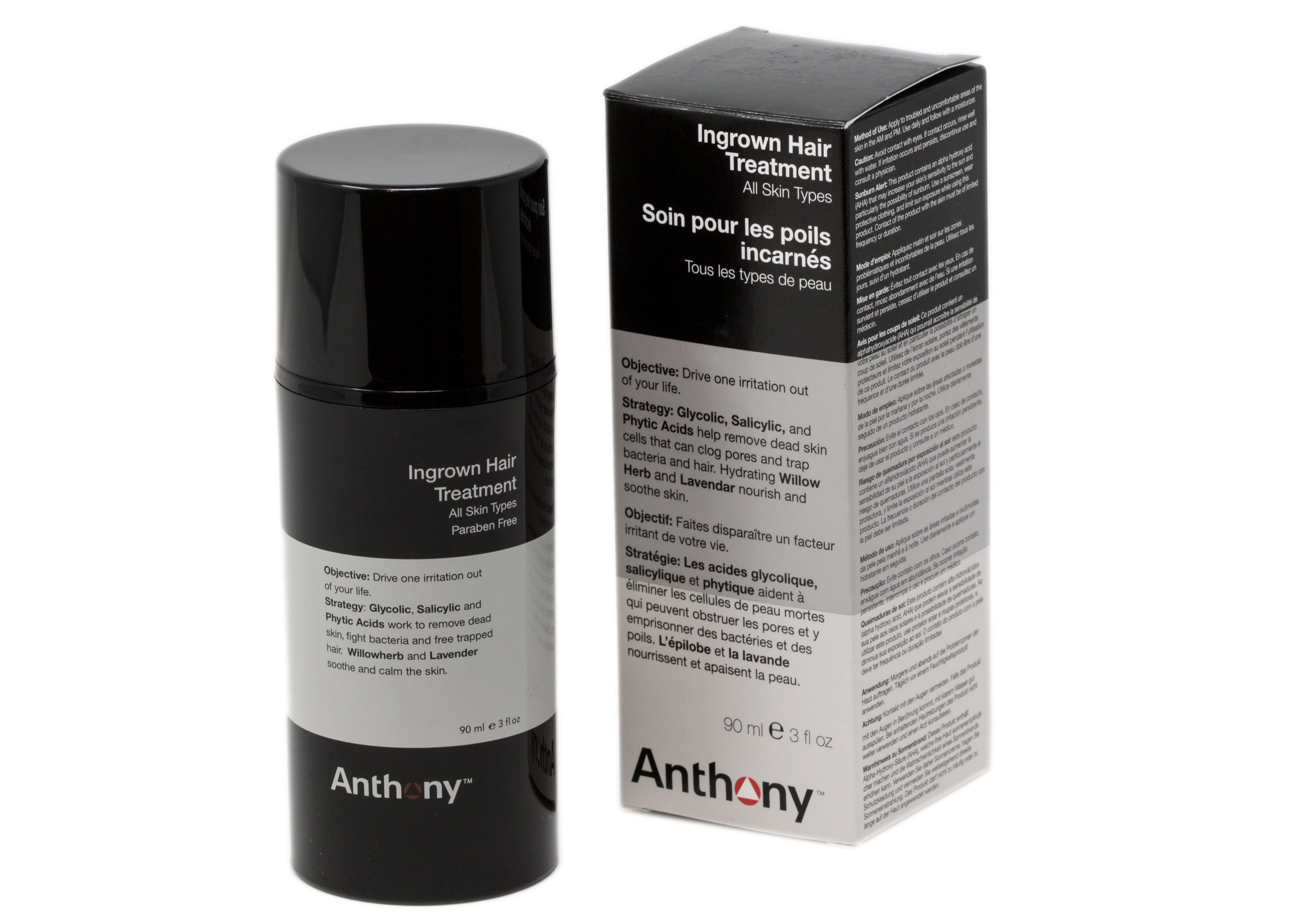
Ingrown Hair: Causes, Symptoms, Treatments, and Infections

Table Of Content Soft Services Smoothing Solution Pulling the skin How long do ingrown hairs last? What are the different hair removal metho...